
The Power of a Defined Entryway
First impressions matter, and in design, the entryway sets the tone for the entire home. A door that opens directly into a living room is functional, but it misses an opportunity. A defined entryway creates a moment of pause, a sense of welcome, and an intentional transition from public to private space.
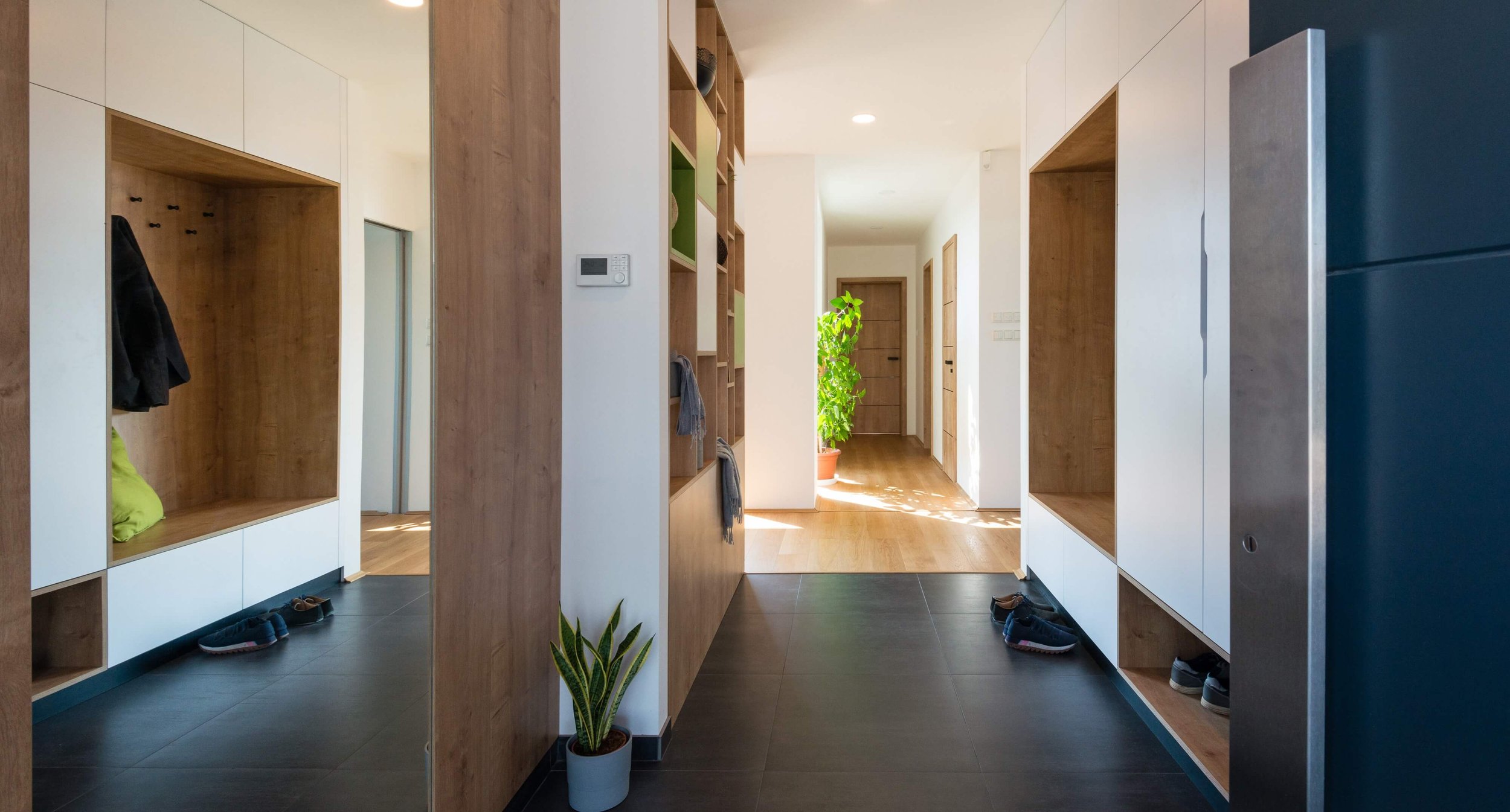
First Impressions That Last
In life, first impressions matter. The same is true for the way we experience space. A front door that opens directly into a living room or kitchen may be functional, but it misses a valuable opportunity: the moment of arrival. A defined entryway, no matter how modest, provides a transition that welcomes, orients, and sets the tone for everything that follows.
Creating a Sense of Arrival
A well-considered entry signals welcome before a single word is spoken. It creates a natural pause, a chance to take a breath, shed the outside world, and enter into a space that feels intentional. This doesn’t require a grand foyer; even a subtle shift in ceiling height, a strategically placed bench, or a piece of art can establish an experience of arrival.
Enhancing Flow and Function
An entryway isn’t just aesthetic; it’s functional. By subtly defining the threshold, you can better organize circulation and storage. A niche for keys, a closet tucked discreetly, or lighting that gently guides movement allows the space to work harder for everyday life while still feeling elevated.
Reflecting Identity
The entryway is also the first opportunity to tell your story. Whether through materials, art, or curated objects, this transition zone becomes a preview of what lies ahead. It’s a space that conveys not just where you live, but how you live.
Elevating Everyday Living
Ultimately, a defined entryway transforms something ordinary into something extraordinary. It adds grace to the daily ritual of coming and going and provides an anchor that connects the home’s function to its soul.
Closing Thought
Whether it’s a small nook or a dramatic foyer, investing in a defined entryway creates more than a passage, it creates a welcome. It’s a reminder that thoughtful design isn’t just about rooms, but about the transitions that shape how we live within them.