
Transitional Spaces that Work Twice as Hard
The Overlooked Opportunity
When people think about design, they often picture living rooms, kitchens, or bedrooms. But the most powerful design often happens in the “in-between” spaces — the transitions that connect daily life. Hallways, mudrooms, guest rooms, and home offices are too often overlooked, yet they hold enormous potential to elevate both function and flow.
Flow with Purpose
Hallways can be more than corridors. With thoughtful proportion, light, or art, they create rhythm and breathing space. They don’t just move people; they guide experience and help connect the elements of the home’s story.
Dual-Purpose Design
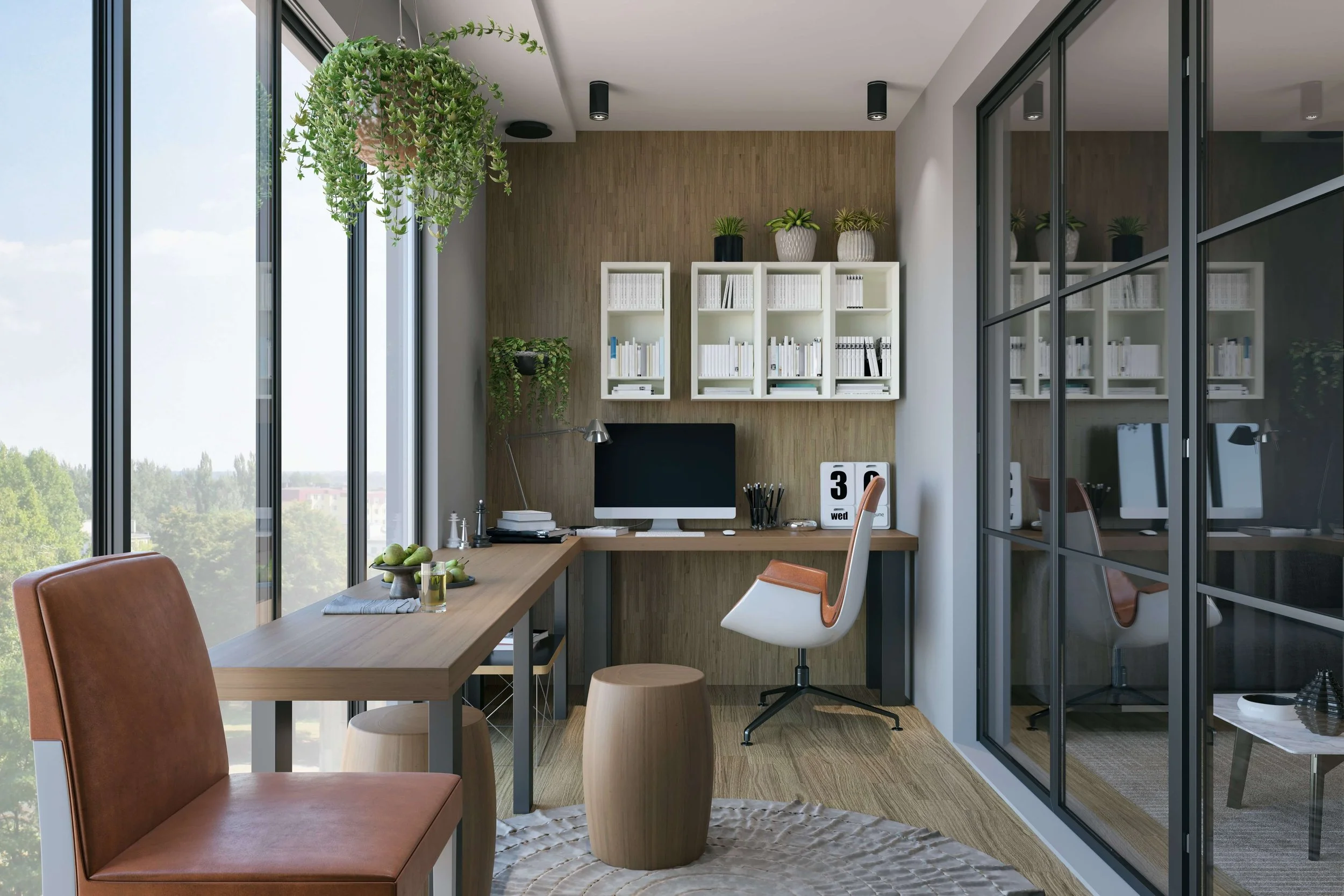
Transitional spaces are where design can work twice as hard. A guest room that doubles as a home office. A laundry room that integrates storage and project space. A mudroom that discreetly organizes clutter while still feeling welcoming. Each of these choices transforms utility into delight.
Hidden Luxury
Often, it’s the unglamorous spaces that determine how effortless a home feels. Ample storage tucked-away charging stations, or well-lit drop zones create ease that’s felt every single day. When these spaces are neglected, the entire home feels under pressure. When designed intentionally, they enhance functionality for both daily tasks and occasional needs.
Elevating Everyday Life
A well-designed transitional space supports how life actually flows — and when designed effectively, reduce stress and create seamless connections between rooms and functions.
Closing Thought
Transitional spaces are more than connective tissue; they are the quiet powerhouses of a home. Designed with clarity and intention, they work harder, feel better, and elevate the way you live every day.